Free delivery for orders above RM500 in Klang Valley
Free delivery for orders above RM500 in Klang Valley
Free delivery for orders above RM500 in Klang Valley
Free delivery for orders above RM500 in Klang Valley
Free delivery for orders above RM500 in Klang Valley
Free delivery for orders above RM500 in Klang Valley
Free delivery for orders above RM500 in Klang Valley
Free delivery for orders above RM500 in Klang Valley
Free delivery for orders above RM500 in Klang Valley
Free delivery for orders above RM500 in Klang Valley
Free delivery for orders above RM500 in Klang Valley
Free delivery for orders above RM500 in Klang Valley
Free delivery for orders above RM500 in Klang Valley
Free delivery for orders above RM500 in Klang Valley
Free delivery for orders above RM500 in Klang Valley
Free delivery for orders above RM500 in Klang Valley

Introduction
You can perfect the recipe, present the food beautifully, and dispatch orders quickly—yet still lose the customer experience in the final stage: delivery.
That final stretch between your kitchen and the customer’s doorstep is where many F&B businesses fail, and the reason is often overlooked—food packaging.
Food packaging is not just a container. It plays a critical role in protecting food quality, maintaining presentation, and ensuring orders arrive in the condition they were intended. When it fails, even a well-prepared meal can turn into a poor customer experience and a negative review.
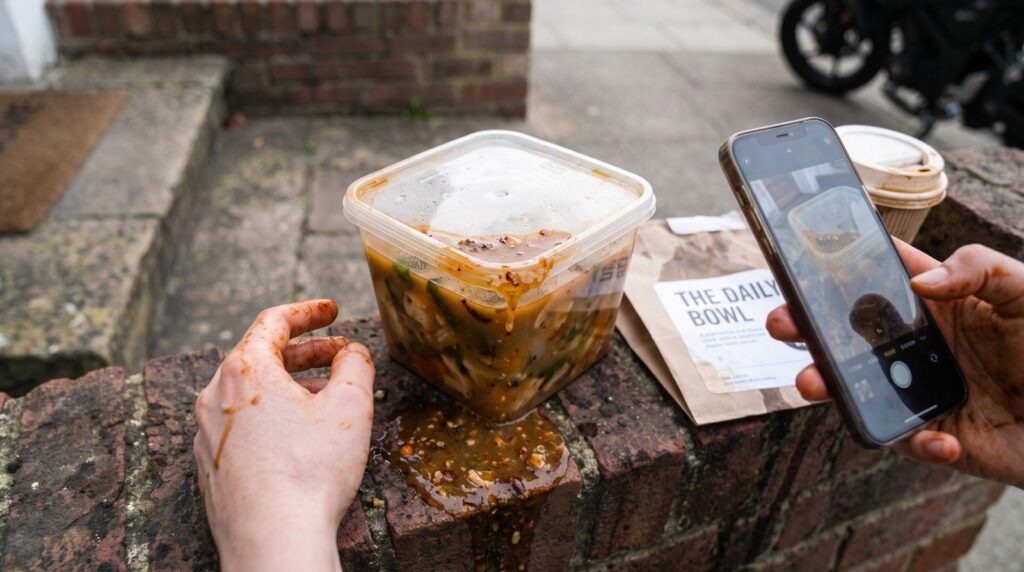
Why Food Packaging Matters More Than You Think
More F&B businesses are switching to environmentally friendly food packaging these days. That’s great for the planet. But going green doesn’t automatically mean going right.
As Malaysia’s food delivery market continues to grow, F&B businesses need food packaging that can withstand transport while keeping meals fresh, secure, and presentable upon arrival.
Many F&B owners switch packaging without testing if it performs. Here are the five common food packaging mistakes that quietly cost Malaysian F&B businesses customers, and what to use instead.
Using the Wrong Food Packaging for the Dish
Not all food packaging is designed for the same type of food. Choosing containers based on price or convenience rather than the dish itself often leads to poor delivery results.
Common errors:
- Wrong container size
- Wrong shape for the dish
- Mixing hot and cold items in one box
- Ignoring how well the lid actually seals
These issues may seem minor, but they can significantly affect food quality during delivery. Oversized containers allow food to shift and appear less presentable, while undersized ones may cause overflow or damage during transport. Mixing items such as curry with crispy foods in one compartment can also cause moisture transfer, resulting in soggy textures.
What to do instead: Match the food packaging to the dish, not the other way around.
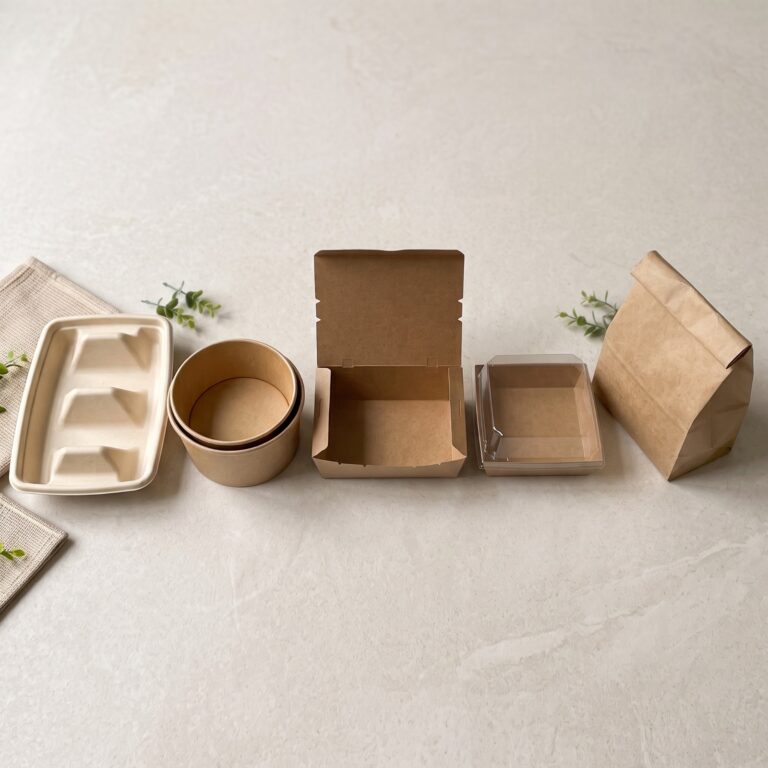
- Compartment trays → mixed meals
- Deep bowls → soupy items
- Paper boxes → anything that needs to stay crisp
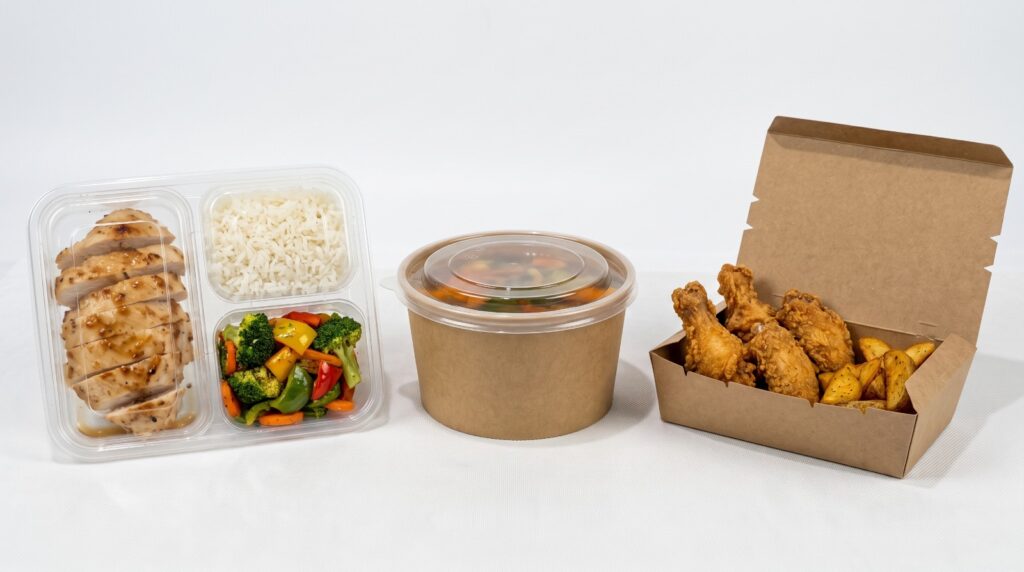
Selecting appropriate food packaging helps maintain portion integrity, prevents leaks and spills, and ensures meals arrive in the expected condition. This is especially important for takeaway and food delivery, where packaging directly affects how the food is experienced by the customer.
Skipping Ventilation on Fried or Hot Food
Fried chicken, fries, spring rolls, and other crispy foods can quickly turn soggy when packed in sealed containers.
The reason is simple: hot food continues to release steam after it’s packed. Without proper ventilation, the steam condenses inside the container and settles back onto the food, causing crispy textures to soften before the meal reaches the customer.
Choosing the right food packaging can help minimise this problem. Vented takeaway containers allow steam to escape, while bagasse (sugarcane fibre) and PLA-lined paper containers provide better resistance to heat, grease, and moisture than uncoated paper.
What to do instead:
- Use vented containers for anything fried
- Let food rest a minute before sealing, if you can
- If grease still pools, line the bottom with absorbent paper
Using food packaging that’s designed for hot and fried foods helps preserve texture, reduce condensation, and improve the overall takeaway experience.
Going Generic and Unbranded
Plain white boxes. Clear plastic containers. No logo, no colours, no branding.
When customers order through delivery apps, your food packaging may be the only reminder of your restaurant once the meal arrives. If it’s completely unbranded, they’re more likely to remember the food than the business that made it.
The good news is that branding your food packaging doesn’t have to be expensive. Many environmentally friendly food packaging materials, such as kraft paper bags and paper cups, are easy to customise with simple branding.
What to do instead: Small, low-cost branding touches go a long way:
- A stamped logo on a paper bag
- A sticker seal
- A coloured cup
Small branding touches make your packaging look more professional, improve brand recognition, and help customers remember your business for future orders.
No Tamper-Evident Sealing
A loose lid. A strip of tape. Neither tells the customer whether their food was opened along the way.
Customers notice this — especially with delivery being the norm now. They want visible proof the food arrived exactly as it left your kitchen.
Without that proof, you’re exposed if anything goes wrong mid-delivery. Good food packaging should reassure the customer before they even open the box.
What to do instead:
- Use packaging with secure, snap-fit lids
- Or add a simple tamper seal sticker across the lid
It’s a small step. It protects your customer’s confidence and your business, if a dispute ever comes up.
Buying on Price Alone — Without Testing First
The cheapest food packaging per piece is not always the most cost-effective option in the long run.
If a container leaks, collapses, or fails during a 30-minute delivery journey, the real cost goes far beyond the packaging itself. It can lead to wasted meals, refund requests, poor reviews, and lost repeat customers.
This issue often appears when businesses switch to environmentally friendly food packaging and place bulk orders from food packaging supplier in Malaysia without testing performance first using real menu items.
What to do instead:
- Order a small batch first
- Test it with your actual food
- Check it under real conditions: hot, cold, stacked, jostled in a delivery bag
- Scale up only once you know it holds
Testing first helps ensure the food packaging performs well in real-world delivery conditions, protecting both food quality and customer experience.
"Biodegradable" Doesn't Always Mean Better
Worth knowing before you switch: not every product labelled “biodegradable” or “eco-friendly” performs or breaks down the way the label suggests.
Biodegradability depends on the environment a material ends up in. Some products need industrial composting facilities to break down properly, and those facilities aren’t available everywhere.
That doesn’t mean environmentally friendly food packaging isn’t worth it — it clearly is, for your brand and for cutting plastic waste. But it does mean it’s worth choosing a food packaging supplier in Malaysia who’s upfront about what their materials are actually made of (kraft paper, bagasse, PLA), rather than one leaning on the word “eco-friendly” alone.
Conclusion
Good food packaging is not just about appearing eco-friendly or meeting sustainability goals. It plays a direct role in whether food arrives fresh, intact, and presentable every time.
The most effective environmentally friendly food packaging balances both sides: reducing environmental impact while still being durable enough to withstand real delivery conditions such as heat, moisture, and movement.
When these fundamentals are handled well, packaging stops being a weak point in the customer experience and becomes part of your brand quality.
If you’re unsure which packaging suits your menu, working with an experienced food packing supplier in Malaysia can help. Wooba offers a range of food packaging solutions designed for different food types and delivery needs. Explore the range or get in touch to find the right fit for your business. If you need custom printing, feel free to click on the WhatsApp.
If you’re exploring how to choose better packaging for your business, read this guide on what to know before buying takeaway packaging online.
Frequently Asked Questions
The best packaging depends on food temperature, moisture, oil content, and whether it is meant for direct food contact or delivery transport:
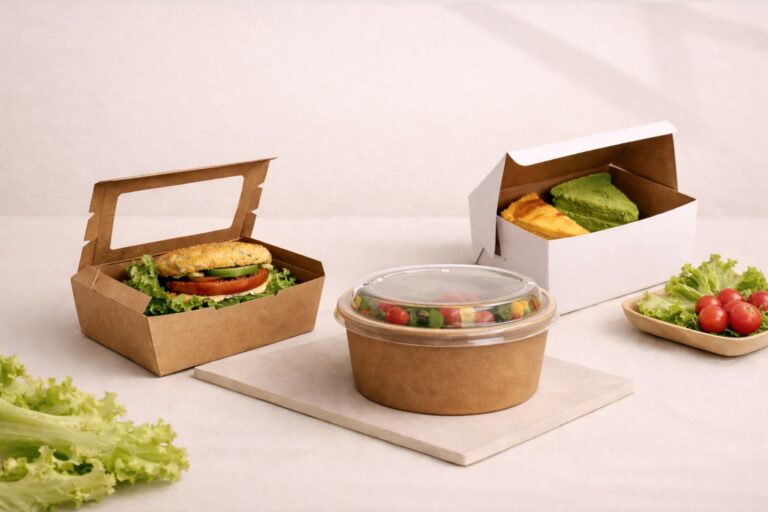
Kraft Paper Boxes: Sturdy, grease-resistant, and breathable—ideal for fried foods, burgers, pastries, dry snacks, and bento-style dry meals.
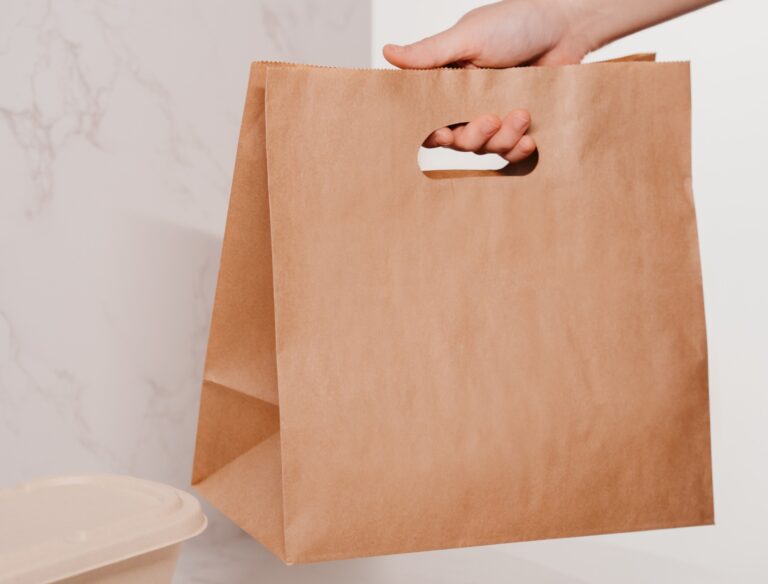
Kraft Paper Bags: Strong, cost-effective, and easy to carry—the go-to outer packaging for takeout orders, bakery loaves, and food delivery transit.
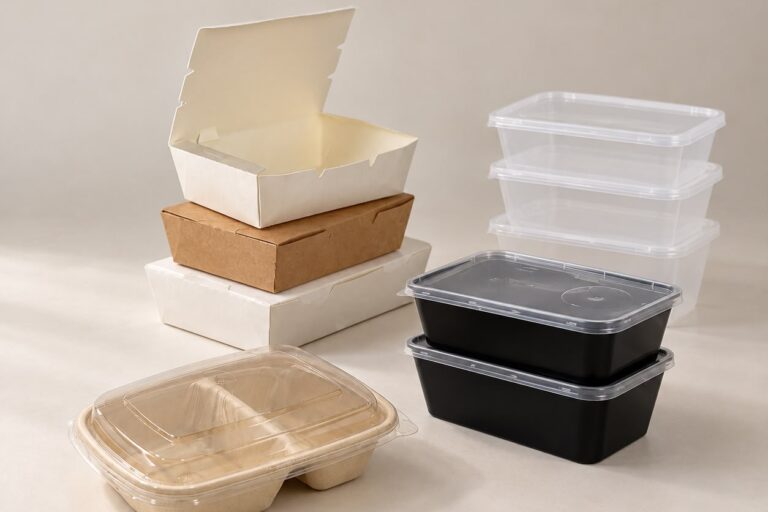
Polypropylene (PP Plastic): Microwave-safe, leak-resistant, and heat-tolerant—the industry standard for hot soups, curries, and saucy dishes.
PET Plastic: Crystal-clear and rigid—perfect for cold beverages, iced drinks, fresh salads, cut fruits, and desserts.
Bagasse (Sugarcane Fiber): Biodegradable, rigid, and oil-tolerant—a premium eco-friendly option for hot meals, rice boxes, and saucy takeout.
Aluminium Foil: Heat-retaining and oven-safe—ideal for roasting, baking, and heavy-duty catering.
Hot foods require heat-resistant, grease-proof, and leak-tight materials that maintain their structural integrity during transit. The most reliable options include:
PP (Polypropylene) Plastic Containers: Highly heat-resistant, leak-proof, and microwave-safe—the gold standard for hot soups, broths, gravies, and reheating.
PE-Lined Paper Bowls & Food Containers: Heavy-duty kraft or paperboard coated with an inner PE (polyethylene) lining to lock in liquids, resist oil, and prevent softening from steam.
Sugarcane Bagasse Boxes & Bowls: Thick, rigid, and naturally grease-resistant—an eco-friendly, heat-tolerant solution for steaming rice, noodles, and hot meals.
Food usually becomes soggy because steam is trapped inside sealed packaging. This is common with fried foods that are packed while still very hot. Using vented containers, allowing food to cool slightly before sealing, and selecting appropriate packaging materials can help maintain texture.
Consider the type of food you serve, portion size, temperature, delivery time, and how well the packaging prevents leaks and retains food quality. Testing packaging with your actual menu before ordering in bulk is the best way to ensure it performs well for your business.
Biodegradable packaging breaks down naturally over time, but the process and timeframe can vary. Compostable packaging is designed to break down into natural, non-toxic materials under specific composting conditions, often within a set period. All compostable packaging is biodegradable, but not all biodegradable packaging is compostable.
Latest Articles