Free delivery for orders above RM500 in Klang Valley

Free delivery for orders above RM500 in Klang Valley

Free delivery for orders above RM500 in Klang Valley

Free delivery for orders above RM500 in Klang Valley

Free delivery for orders above RM500 in Klang Valley

Free delivery for orders above RM500 in Klang Valley

Free delivery for orders above RM500 in Klang Valley

Free delivery for orders above RM500 in Klang Valley

Eco Packaging Trends in 2025

Eco Packaging Trends in 2025

How Malaysian restaurants are going greener this year

Introduction

Sustainability is no longer optional for restaurants — it’s now part of how customers judge a brand. In Malaysia and beyond, F&B businesses are rethinking their food packaging choices, driven by consumer values, regulatory pressure, and material innovation. From compostable containers to minimalist paper bags, eco-friendly packaging is becoming the new standard.

Restaurants in Malaysia are responding by switching to packaging that not only looks green but is green. Consumers are voting with their wallets: a McKinsey survey reveals that 60-70% of people globally are willing to pay more for sustainable packaging, especially in takeaway and delivery.

1. The Growing Market for Sustainable Packaging

According to Grand View Research, the eco-friendly food packaging market is expanding at 7.6% CAGR, expected to reach USD 353.8 billion by 2030. This growth is mirrored in Malaysia, where the packaging industry is forecast to increase from 20.8 billion units in 2023 to 23.7 billion units by 2028, with the food and beverage segment leading demand (Malaysia Business Group).

For restaurant owners, this means more accessible eco materials, broader supplier options, and increasingly competitive prices.

2. Material Innovations Shaping 2025

Eco-friendly packaging is not just about paper anymore — new materials and smarter manufacturing are leading the change. Here’s a breakdown of key options, especially with respect to PLA, bioplastic, sugarcane fibre (bagasse), and hybrid materials.

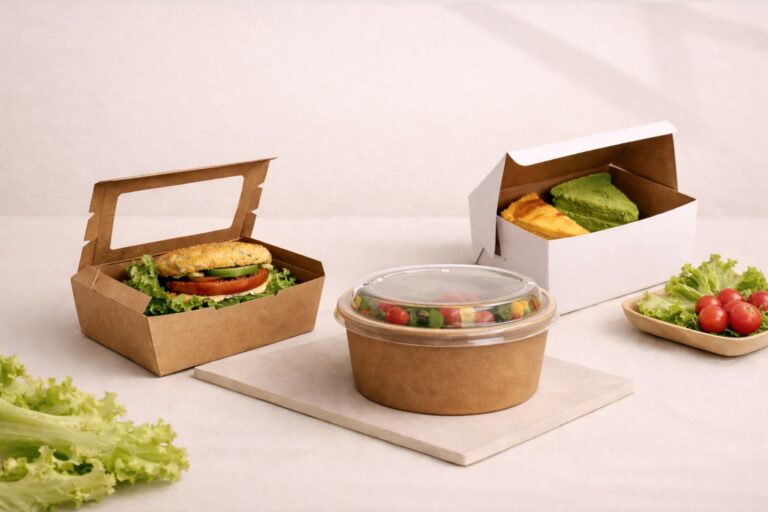
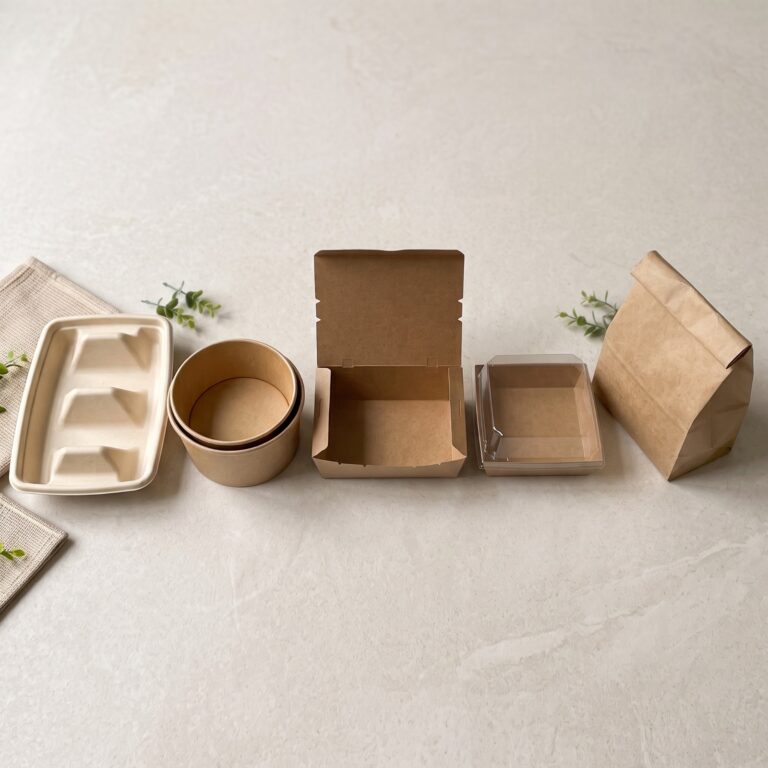
  • Paper and molded fibre — Traditional paperboard and molded fibre (pulp, kraft, etc.) remain among the valued recyclable, durable and familiar eco materials. (MR).
  • PLA and Bioplastic — Polylactic acid (PLA) is a most widely used bioplastic derived from plant sources such as corn, cassava, or sugarcane. It looks and feels like traditional plastic but produces lower carbon emissions in manufacturing.
  • Sugarcane fibre (bagasse) — the fibrous by-product left after juice extraction is one of the fastest-growing materials in eco-friendly packaging. 100% bagasse packaging is fully compostable at home within a few months and breaks down naturally without special processing.

    Studies show that bagasse’s strength, heat resistance, and natural biodegradability make it a preferred choice for sugarcane takeaway bowls, lunch boxes, and sugarcane food containers used in food delivery.

    Today, two main types of bagasse packaging are common in the market:

1. Bagasse mixed or coated with PLA

Some manufacturers combine bagasse with a layer of PLA (polylactic acid) for it’s production efficiency. Adding or coating with PLA helps reduce the cost of achieving water resistance compared to using higher-density, pure bagasse fibre alone. This makes it a more affordable option.

However, the trade-off: while PLA is biobased, it’s only industrially compostable, requires high-heat composting facilities to fully break down.

2. 100% Bagasse (Pure fibre, home-compostable)

This version is made entirely from sugarcane fibre without any plastic or bioplastic coating. It is fully home-compostable and naturally decomposes within a few months and breaks down naturally without special processing.

While production costs are slightly higher due to fibre density and forming complexity, this option represents true zero waste — ideal for brands committed to full circularity or operating in regions without industrial composting infrastructure.

  • Recycled and mono-materials — The use of recycled PET (rPET) and mono-material packaging is also increasing, especially in drinkware eg rPET Cup. Using a single recyclable polymer layer makes disposal easier and reduces contamination risk in recycling systems.

3. Design and Functionality Trends

Beyond the materials themselves, how packaging is designed also matters:

  • Lightweight designs reduce material use and shipping emissions.
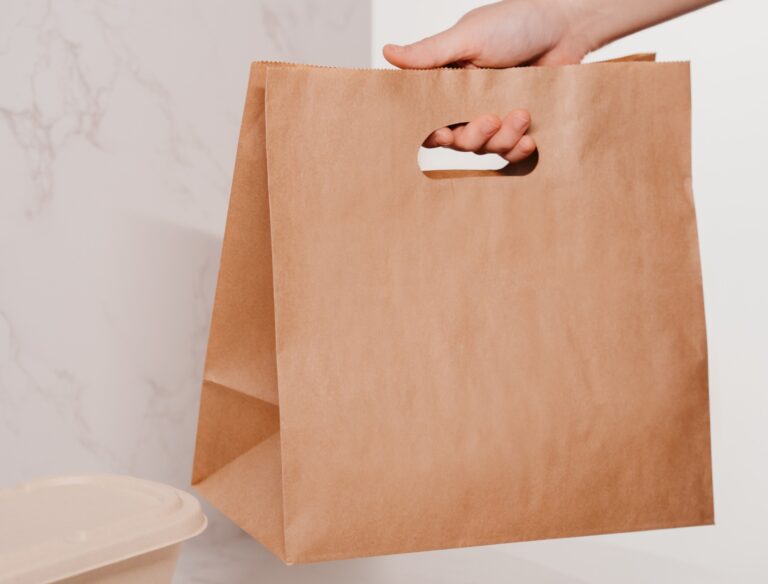
  • Minimalist aesthetics signal authenticity and eco values — a visual trend that consumers associate with responsible brands.
  • Better heat and moisture control through improved coatings or double-wall constructions keeps food fresher for delivery.
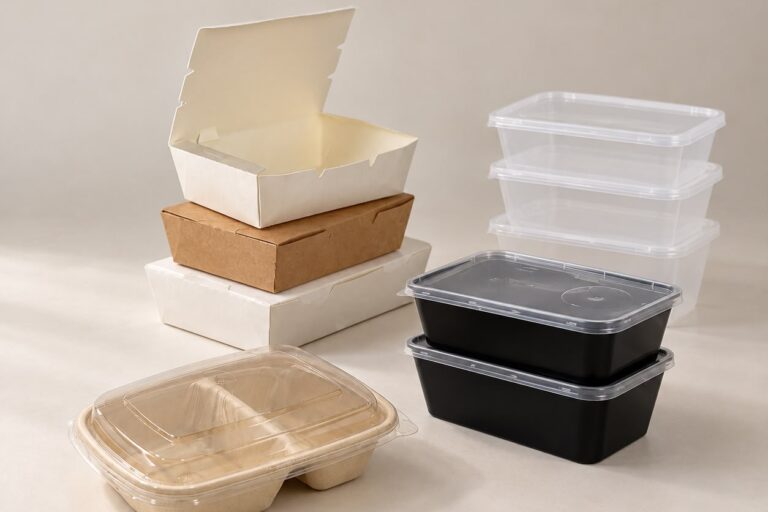
  • Functional innovation, such as stackable containers and tight-fit lids, makes operations more efficient.

4. Regulations and Consumer Expectations

Regulations across the world are restricting single-use plastics, and Malaysia is gradually following suit. As governments tighten Extended Producer Responsibility (EPR) frameworks, F&B operators will need to ensure that their packaging meets recyclability or compostability standards.

As mentioned earlier, a majority of consumers are ready to pay more for sustainable packaging — especially when it is clear and visible. Restaurants using eco packaging tend to get higher brand trust, increase repeat orders, and create a stronger point of differentiation.

5. Challenges to Overcome

Despite the momentum, eco packaging still presents some challenges:

  • Higher cost for certain compostable or bio-based materials (though this is improving as scale increases).
  • Limited composting infrastructure, which may limit the environmental benefit if waste isn’t processed properly.
  • Durability — some bio-based containers may soften under heat or moisture if not properly tested.
  • Certification clarity — avoid vague “eco” claims; look for proper certifications (FSC, EN 13432, OK Compost, etc.) to ensure credibility.

6. Practical Steps for Malaysian Restaurants

You don’t have to overhaul everything at once. Start small and scale:

  1. Audit your current packaging — identify what can be replaced with recyclable or compostable alternatives.
  2. Switch gradually to materials like sugarcane, kraft paper, and rPET.
  3. Value proper certifications (FSC, EN 13432, OK Compost, etc.) to ensure credibility.
  4. Educate your team and customers — small notes like “Made from sugarcane” or “Recyclable” make a difference.
  5. Communicate transparently with customers — e.g. “Our bowl is made from sugarcane fibre and is 100% compostable,” or “This cup uses PLA; please dispose in compost bin.”
  6. Measure the impact — track brand perception, customer feedback, and waste reduction.

Wooba helps restaurants choose packaging that balances functionality, durability, and sustainability — whether you need paper bags, sugarcane containers, or coffee cups. Our team is happy to advise based on your menu and delivery needs.

Conclusion

Eco packaging isn’t just a passing trend — it’s shaping how modern restaurants operate. By staying ahead in 2025, Malaysian F&B brands can reduce waste, meet customer expectations, and build stronger, more future-ready identities.

Latest Articles